
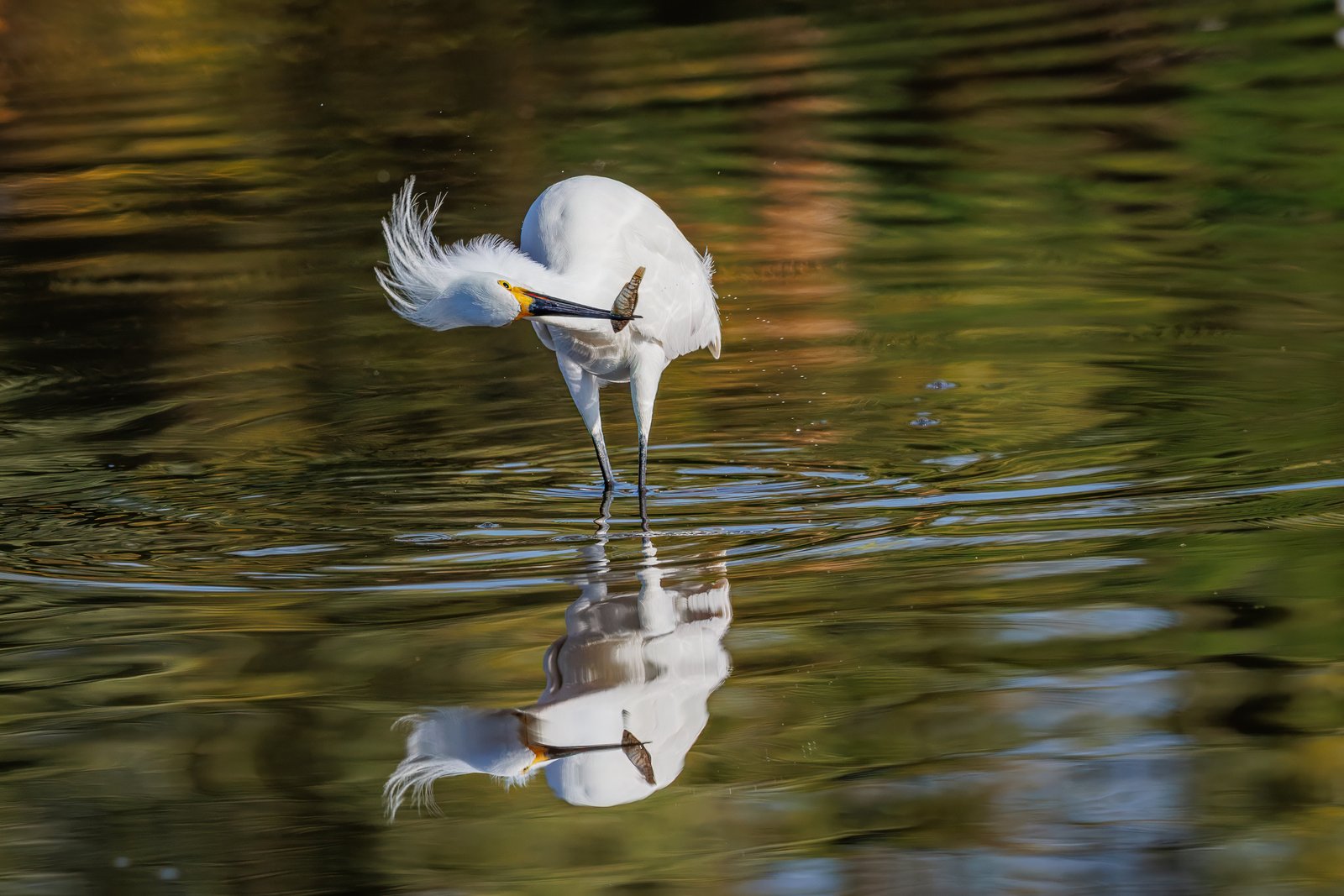
Back on March 22, I wrote about the spring bird migration approaching. From everything I’ve seen, heard and read, the season for the colorful tanagers, orioles, and warblers has been rather disappointing for our region. It would seem that several factors contributed to a lackluster migration. Much of our coastal habitats were destroyed during the triple hurricanes in 2024. Those habitats provided a lot of food and cover for migrating birds. The damage caused by the saltwater storm surges was quite severe, killing a lot of the fruit-bearing trees and shrubs. In fact, one of the nature preserves where we used to see many migrating birds is still closed from the damage caused by the hurricanes. Combined with our severe drought conditions and lack of strong cold fronts, the birds were not inclined to make a stopover in this area.
Even though our spring migration wasn’t what we hoped for, the same weather conditions caused some unexpected highlights in other areas. One nature preserve that almost always provides some great photo opportunities delivered again recently. That persisting drought conditions have caused many small lakes in the area to disappear. This is forcing more birds into areas that still have some water. Even the ponds on one of our favorite preserves are shrinking dramatically. The much more shallow waters have created new food sources for many wading birds like egrets, herons, and spoonbills that can now reach the small fish in the ponds.
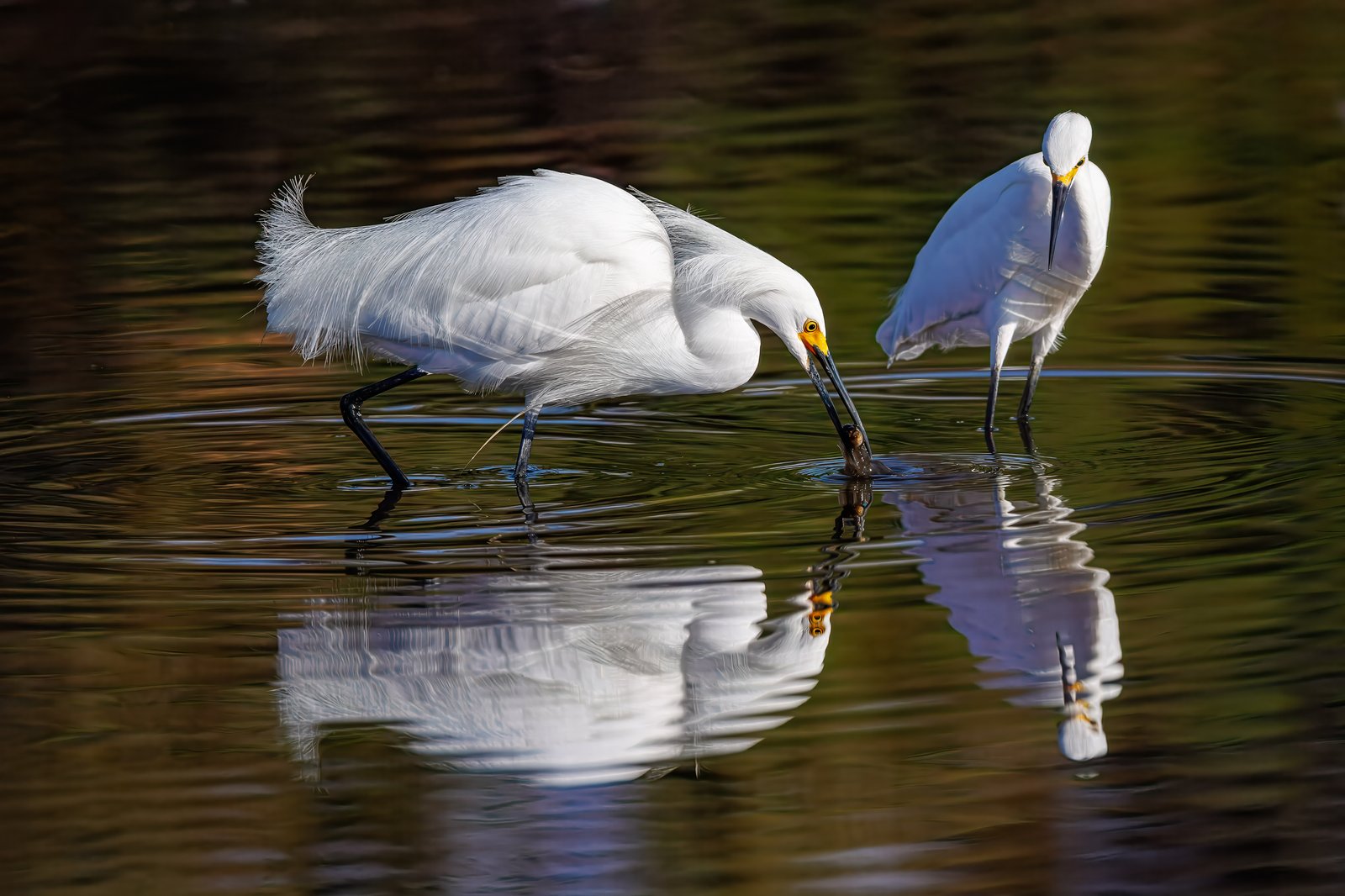
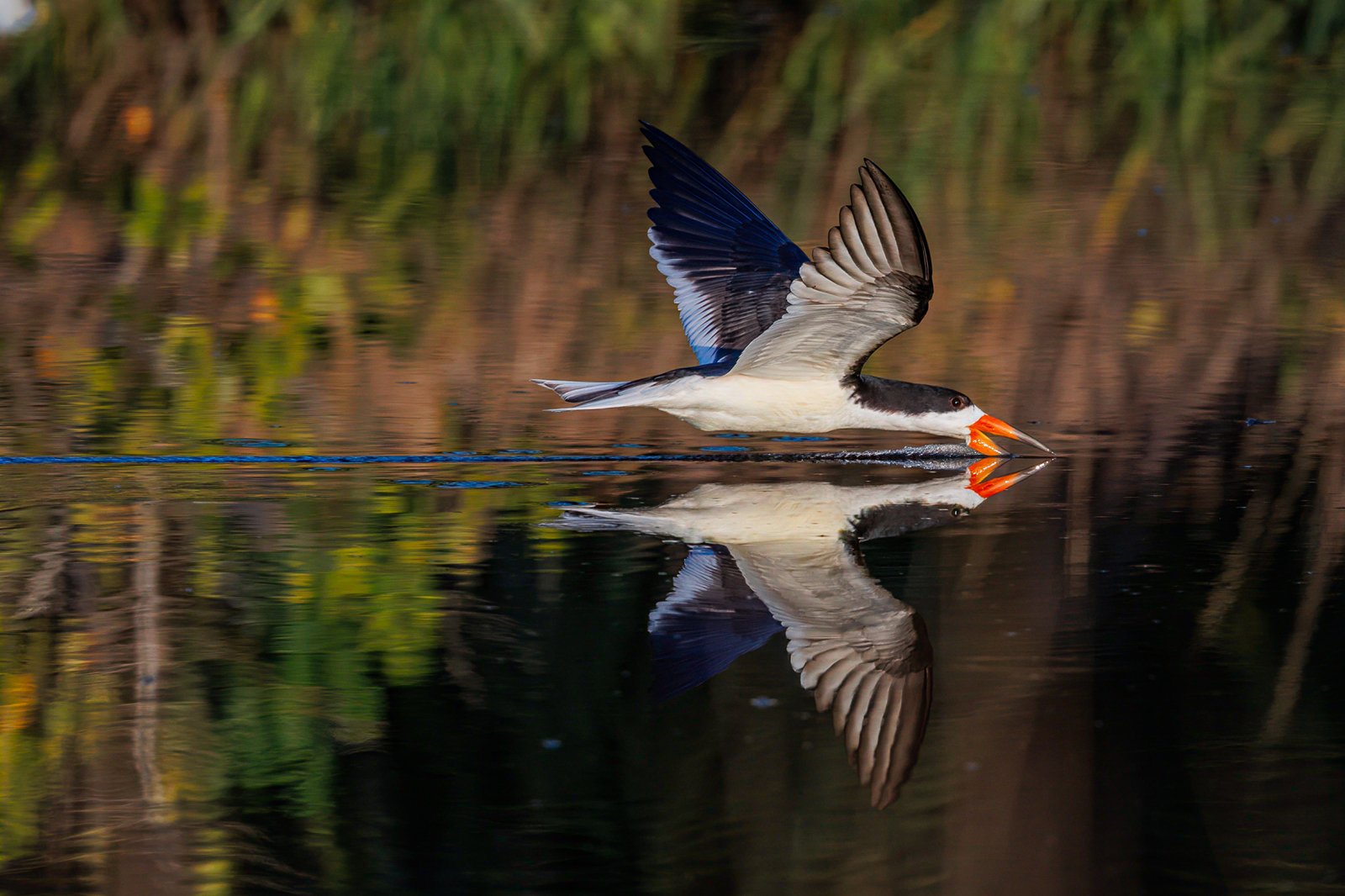
The morning we visited, one of the ponds was filled with birds gorging themselves on the little fish. There were even groups of terns and black skimmers that were diving and catching fish. Watching the black skimmers glide across the water hoping to scoop up a morsel is always fun.
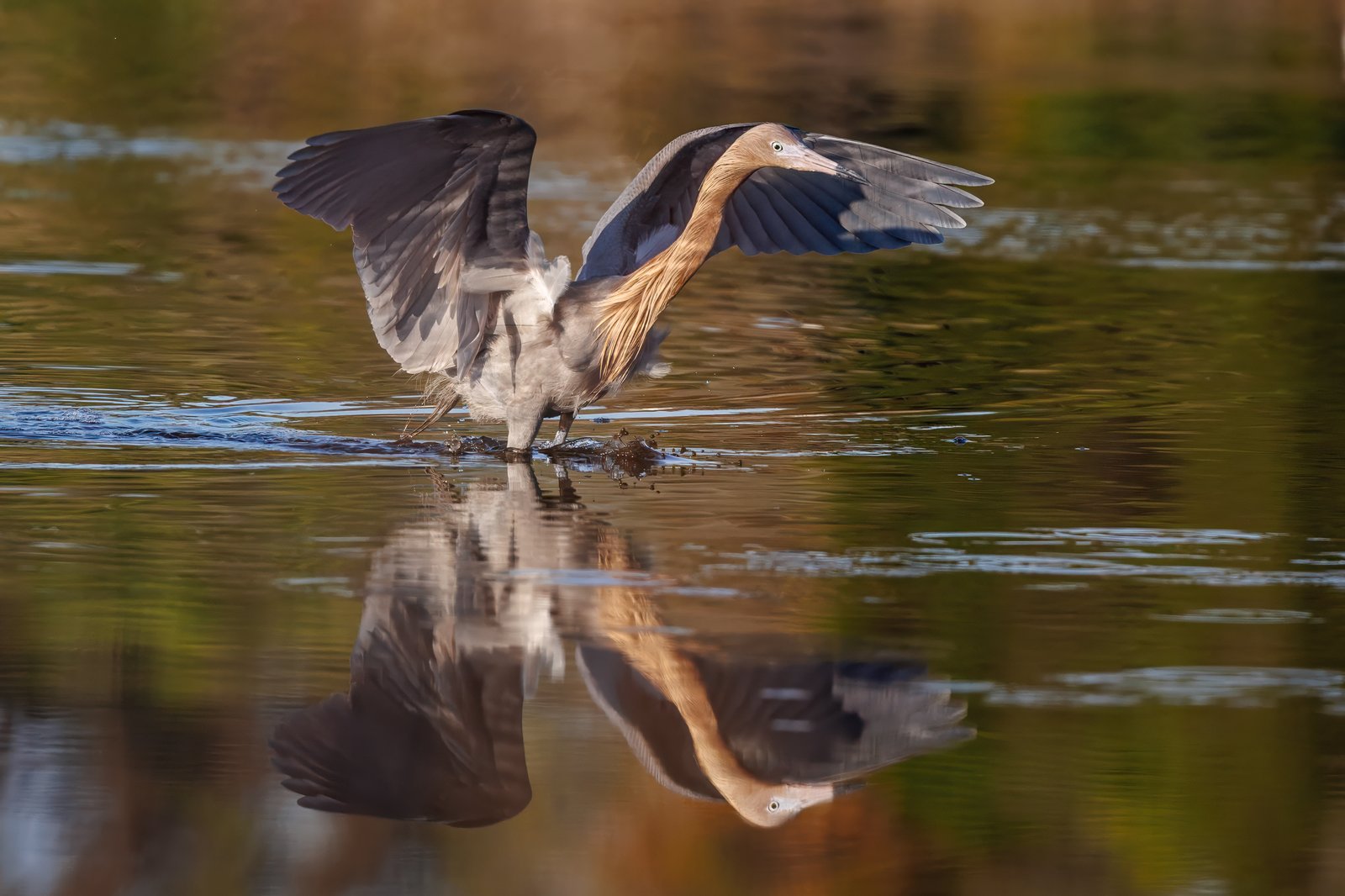
The highlight of the morning was the appearance of a group of reddish egrets which included a rare white morph. There were a total of 8 feeding in the ponds. Reddish egrets are not common. Finding 1 or maybe 2 in a spot is usually considered a success for birdwatchers. But to come across 8 in an area is amazing.
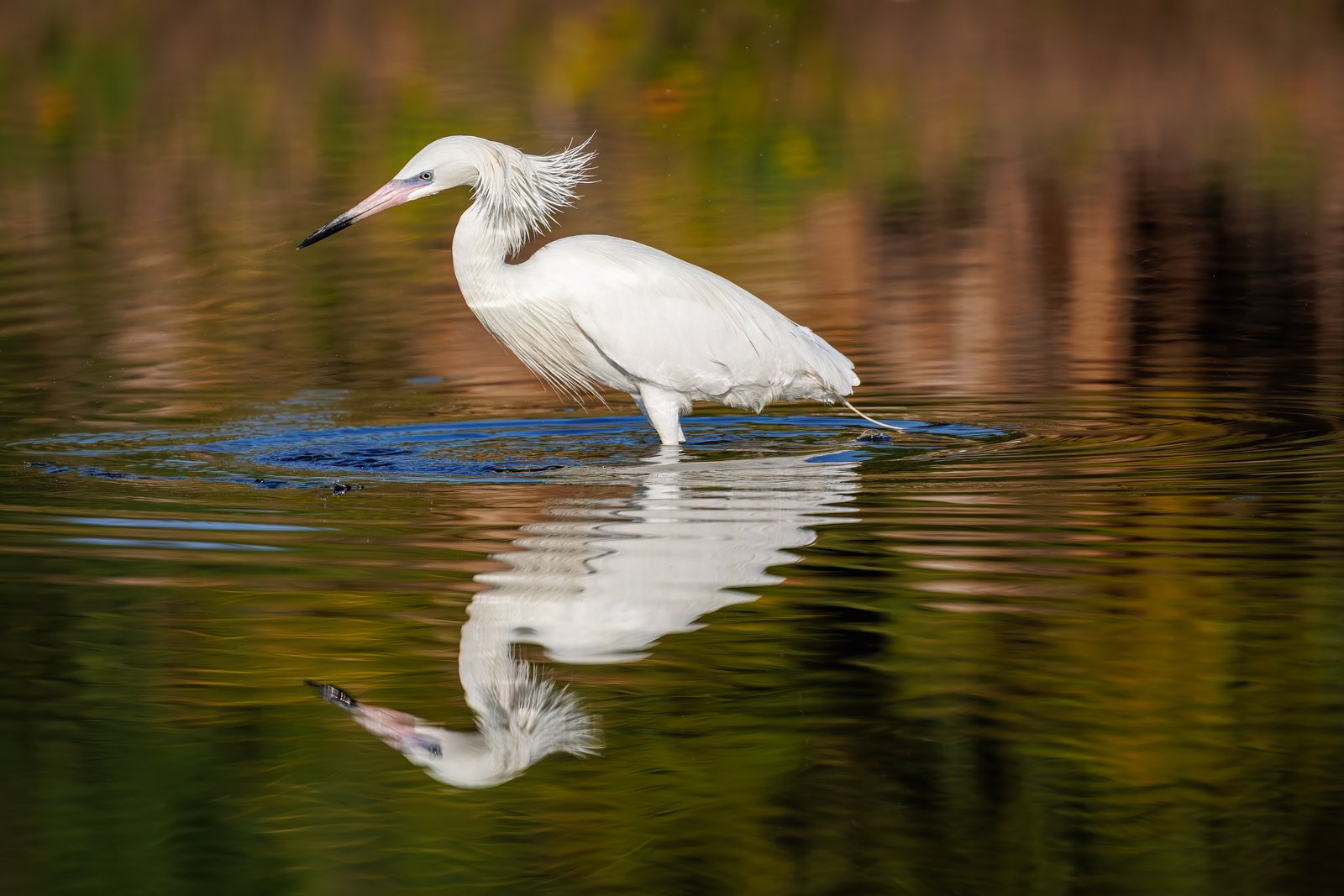
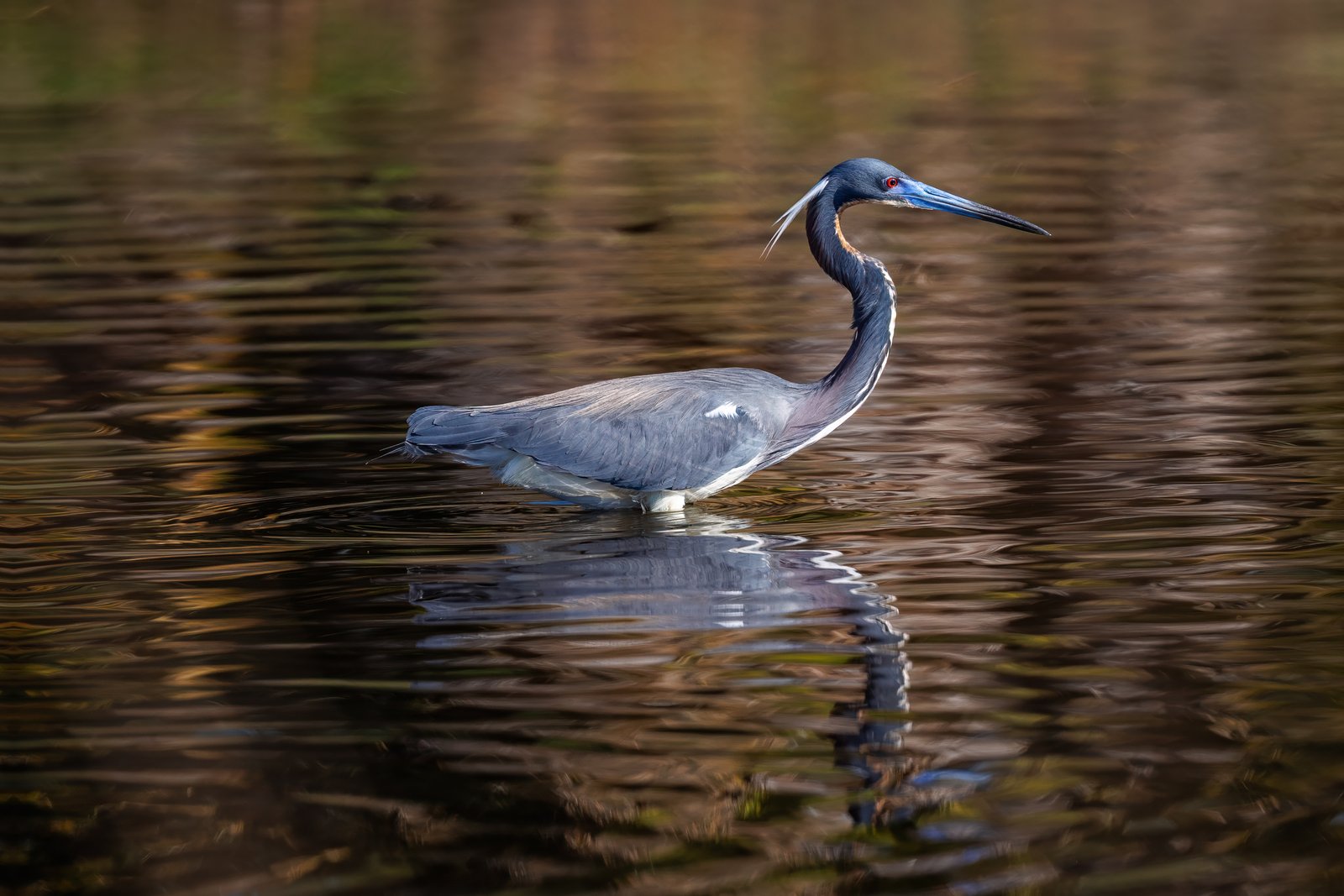
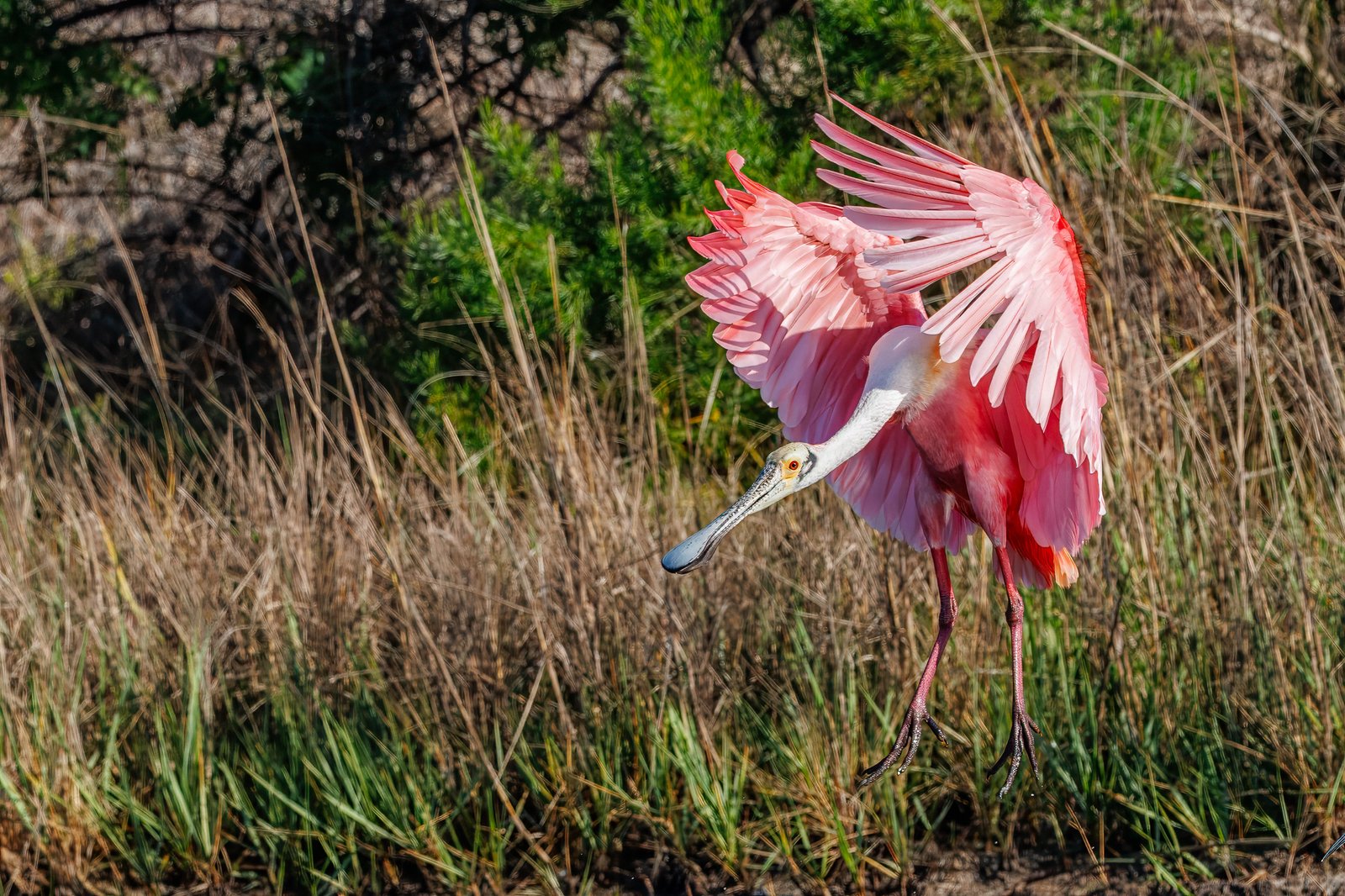
Since spring is the breeding season for most of the birds, many of them sport their breeding plumage. Egrets will grow longer plumes of feathers and most of the birds will develop more colorful bills. The colors on the spoonbills are also much brighter and vivid. The bill on the tri-colored heron in the photo below has turned a beautiful deep blue color.
As we head into our summer season, we have different visitors that make this area their home for the next few months. Two of our favorites are snail kites and swallow-tailed kites. These unique birds of prey are fun and challenging to photograph. Both species are elusive.
More photos have been uploaded to the Egrets, Herons, Pelicans and Shore Birds, and Spoonbills galleries.
Leave a Reply